What First-Time Buyers Miss When Evaluating Tucson Horse Properties in Desert Terrain
Buying Tucson horse properties in desert terrain can feel like a dream come true. Wide open land, scenic mountain views, and year-round riding opportunities make the Tucson area incredibly appealing for equestrian buyers. However, first-time buyers often focus on the beauty and acreage while overlooking important factors unique to desert terrain.
The climate, soil conditions, infrastructure, and water access all influence whether a property will truly support horses safely and comfortably.
Desert horse properties come with specific challenges that differ significantly from those in greener climates. The lack of natural grass, extreme heat, flash flooding, and unique land conditions can create unexpected issues if buyers do not evaluate the property carefully. Understanding what to look for helps buyers avoid costly mistakes and ensures their horses will thrive in their new environment.
Tucson Horse Properties in Desert Terrain: Understanding Desert Soil Conditions
One of the first things buyers should evaluate when buying Tucson horse properties in desert terrain is the nature of the desert soil. Many assume that because horses can live on the land, the ground must be suitable for turnout areas, arenas, or barns. In reality, desert soil varies widely and can include sand, caliche, clay, or rocky ground.
You will see caliche if you live in Tucson and can create a hard, cement-like layer beneath the surface. While it may seem stable, it can cause drainage issues and make excavation for fencing, water lines, or arena preparation far more difficult and expensive.
Soil type also affects hoof health. Extremely rocky terrain can cause bruising or excessive wear, while loose sand can lead to deep footing that strains tendons. Evaluating soil conditions before purchasing helps determine what improvements may be necessary.
Water Access Is More Complex Than It Seems
Water availability is one of the most critical factors for horse properties in desert regions. Many first-time buyers assume that if a house has running water, the property will also easily support horses. However, the water system may not have sufficient pressure or capacity for livestock needs.
Horse properties require reliable water sources for drinking, cleaning stalls, maintaining arenas, and controlling dust. Some rural areas rely on wells, which vary greatly in production levels. A well inspection can reveal whether it produces enough water for daily equestrian use.
Buyers should also check water storage systems, pumps, and delivery infrastructure across the property. Without proper planning, providing water to multiple paddocks or barns can become inconvenient and expensive.
Heat Management for Horses
The desert climate introduces intense summer heat that can be dangerous for horses without proper shade and ventilation. First-time buyers sometimes assume a few trees will provide enough protection, but natural shade is often limited in desert landscapes.
Well-designed horse properties incorporate large shade structures, open breezeways, and barns designed to maximize airflow.
Metal barns without proper insulation can become extremely hot, turning stalls into unsafe environments during the summer.
Evaluating shade coverage across turnout areas and considering how horses will remain cool throughout the day is essential for their health and comfort.
Drainage and Flash Flood Risk
Many buyers do not realize that desert terrain can experience sudden and powerful flash floods during the monsoon season. Even properties that appear dry most of the year may sit in natural wash areas that channel storm water.
Flash floods can damage fencing, erode arena footing, and create dangerous conditions for horses. Buyers should examine the property’s elevation, drainage paths, and nearby washes to understand how water moves through the land.
Professional inspections or local knowledge from experienced real estate agents can reveal whether a property has a history of flooding or erosion.
Preparing for the Move and Transition
Moving to a desert horse property often involves relocating horses, equipment, and personal belongings across long distances. Planning this transition carefully helps reduce stress for both horses and owners.
Many buyers consult a checklist for moving to the US when relocating from another country or region, especially if they are unfamiliar with local regulations, veterinary requirements, and transportation logistics. Taking the time to organize these steps helps make your transition smooth while ensuring horses arrive safely and comfortably in their new desert home.
Proper planning also allows owners to prepare the property before the horses arrive, ensuring shade, water, fencing, and shelter are fully ready.
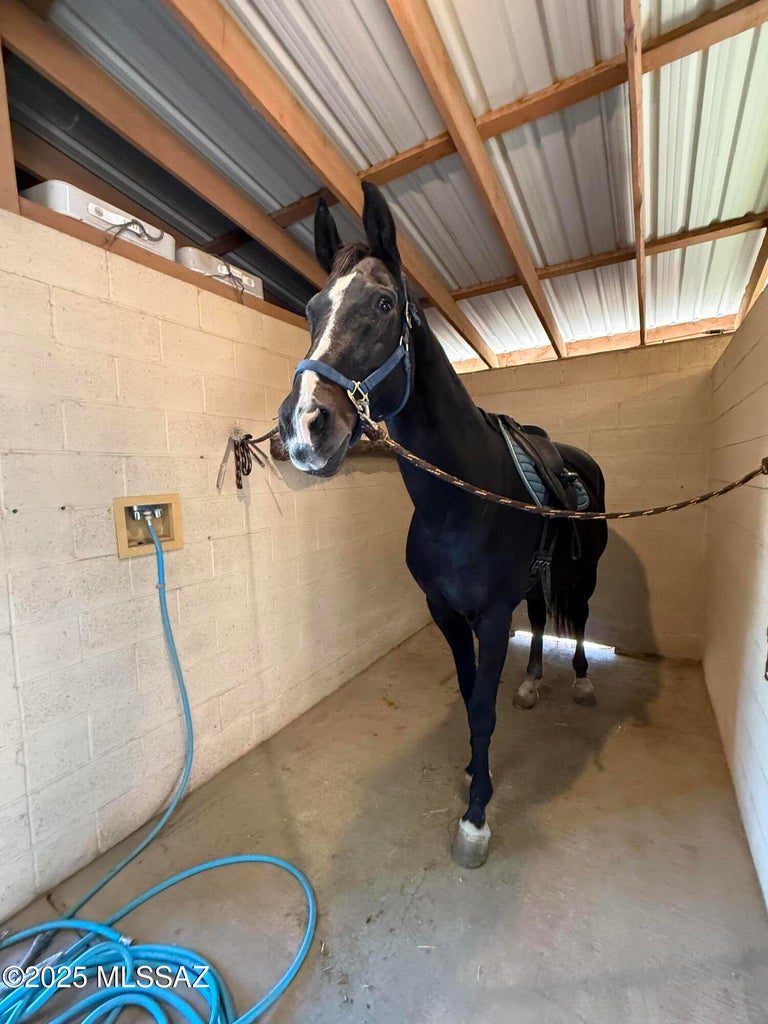
Before evaluating Tucson horse properties in desert terrain, it is important to prepare for the move and transition.
Fencing That Works in Desert Terrain
Fencing requirements in desert environments differ significantly from those in grassy regions. Traditional wooden fencing may deteriorate quickly under intense sun exposure, while rocky soil can make installation difficult.
Buyers often underestimate the cost and effort required to install or upgrade fencing that safely contains horses.
Materials like pipe fencing or no-climb wire with sturdy posts tend to perform better in harsh desert conditions.
Examining existing fencing closely helps determine whether it is safe, durable, and appropriate for horses.
The Importance of Dust Control
Dust is a constant concern on desert horse properties. Without proper management, dry soil can create clouds of dust that irritate horses’ respiratory systems and reduce visibility around riding areas.
First-time buyers may overlook how arenas, paddocks, and riding trails will manage dust during dry months. Many established properties use special arena footing mixtures, watering systems, or stabilizers to reduce airborne dust.
Dust control is not only important for horse health but also improves riding conditions and overall property maintenance.
Planning for Feed and Supply Storage
Unlike properties in agricultural regions, desert horse properties often lack nearby grazing land. This means owners must store large quantities of hay and feed year-round.
Buyers sometimes underestimate how much storage space they need for hay deliveries, tack rooms, equipment, and feed supplies.
Storage areas must also protect feed from extreme heat, moisture during monsoon storms, and desert pests.
Evaluating barns, sheds, and storage facilities helps determine whether the property can support long-term equestrian use without constant upgrades.
Evaluating Riding Space and Terrain
The size of the property may look impressive on paper, but not all acreage is equally usable for riding. Desert land can include steep slopes, rocky outcroppings, cactus growth, or uneven terrain that limits riding space.
Buyers should walk the land and visualize how horses will move through the property.
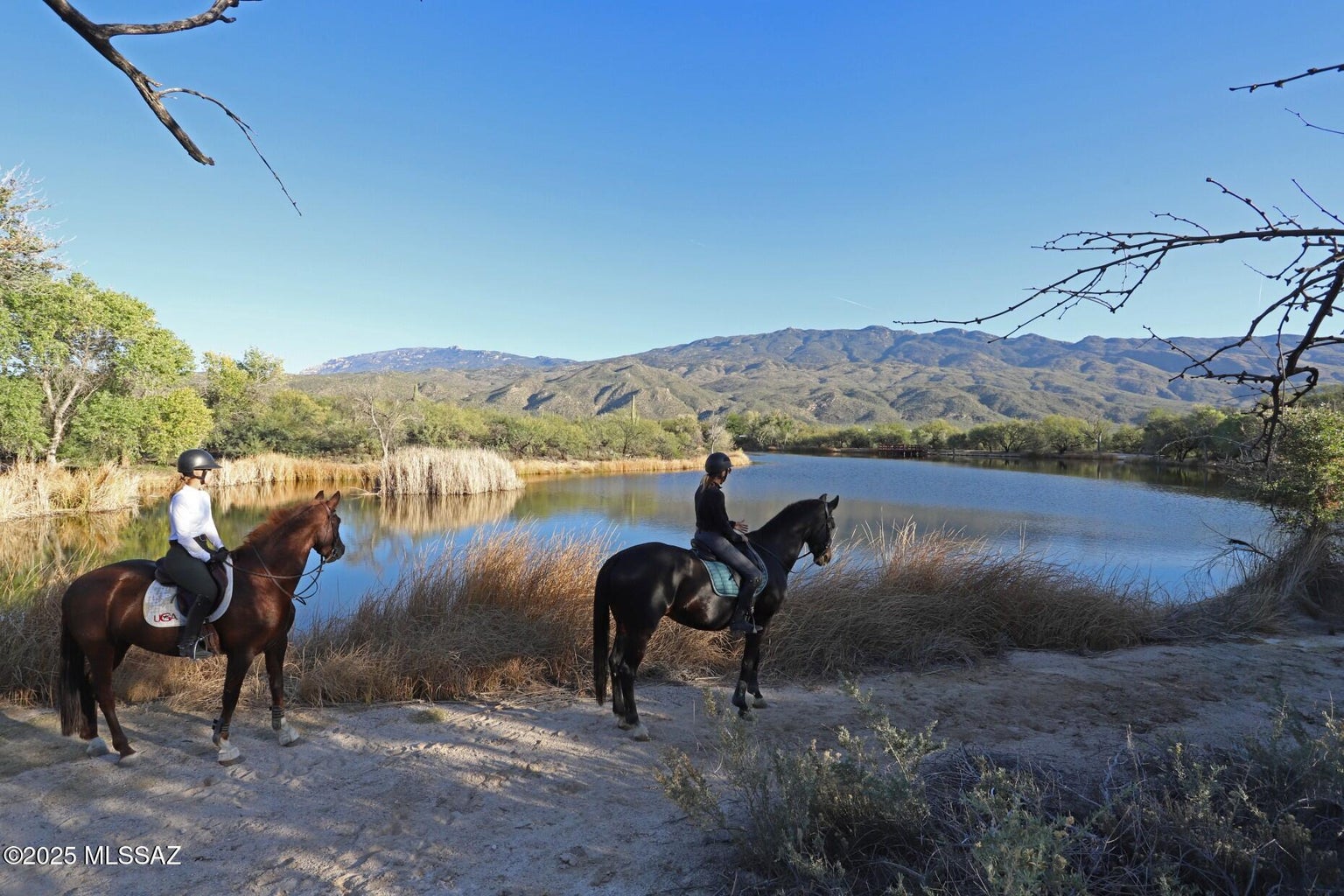
Open areas suitable for arenas, round pens, or pasture turnout are far more valuable than unusable rocky sections.
Nearby riding trails, public land access, and equestrian-friendly roads can also significantly enhance the property’s value for horse owners.
Infrastructure and Accessibility
Many desert horse properties are located in rural areas outside the main city. While this provides privacy and space, it also introduces logistical considerations.
Buyers often forget to evaluate road access for large vehicles such as horse trailers, hay deliveries, and veterinary trucks. Narrow roads, steep driveways, or soft sand entrances can make access difficult.
Proper infrastructure ensures that transporting horses, receiving supplies, and handling emergencies remain manageable.
Local Zoning and Horse Property Regulations
Another detail many first-time buyers overlook involves local zoning laws and property regulations. Even in areas known for equestrian living, zoning rules may limit the number of horses allowed per acre.
Certain properties may also require permits for building barns, arenas, or additional structures. Understanding these regulations early helps buyers avoid unexpected restrictions after purchase.
Consulting with local authorities or knowledgeable real estate professionals ensures the property truly supports the buyer’s long-term plans.
Long-Term Maintenance in a Desert Environment
Desert landscapes require a different maintenance approach compared to greener regions. Wind, sun exposure, and dry conditions gradually affect fencing, roofing, and outdoor structures.
Buyers should assess the durability of materials used across the property. Shade structures, barns, and paddock fencing must withstand intense sun and occasional storms.
Planning for ongoing maintenance helps ensure the property remains safe, functional, and comfortable for horses over time.
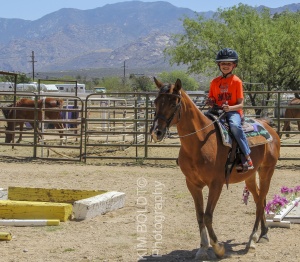
Desert landscapes require a different maintenance approach compared to greener regions
Making a Property Truly Suitable for Horses
Buying Tucson horse properties in desert terrain offers incredible opportunities for equestrian living, but it also requires careful evaluation. First-time buyers often focus on the scenic beauty and large acreage while overlooking the practical details that make a property truly suitable for horses.
Factors such as soil conditions, water availability, drainage, heat management, fencing durability, and dust control all play a major role in the long-term success of a desert horse property. Understanding these elements before purchasing allows buyers to anticipate improvements and avoid unexpected expenses.
The Above Article is a Guest Post
Conclusion
Thank you for visiting www.premiertucsonhomes.com! It’s one of the top real estate agents’ websites in Tucson. Our website provides information on communities and neighborhoods in the greater Tucson area. Want more? Give us a call – 520-940-4541.
Quick Search of Horse Properties in Tucson, AZ
As a top Realtor team in Tucson, AZ since 2002, we know Tucson and the Tucson real estate Market. Take a few minutes to read our profiles and client testimonials.
Are we the Tucson Realtors you have been looking for?